Monday to Saturday - 8:00 -17:30

Types of Guide Signs and Their Applications in Traffic Systems
Guide signs are an integral part of traffic control systems, designed to provide essential information that helps drivers navigate roads safely and efficiently. Unlike regulatory or warning signs, guide signs focus on direction, location, distance, and service information—ensuring smooth travel for motorists across highways, interstates, and urban areas.
This article explores the key types of guide signs and their practical applications in today’s traffic systems.
1. Destination Signs
Purpose: Indicate directions and distances to cities, towns, streets, or major destinations.
Applications:
-
Commonly placed on highways and arterial roads
-
Help drivers plan routes in advance
-
Often include arrows and distance in miles or kilometers
-
Example: “City Center – 5 miles →”
Color Standard: Green background with white lettering (per MUTCD)
2. Route Marker Signs
Purpose: Identify route numbers and road designations such as highways, interstates, or county roads.
Applications:
-
Used to confirm route continuity
-
Placed along the route or at intersections
-
Often feature shields, arrows, or directional labels (North, South, East, West)
-
Example: “US-66 West” or “Interstate 80 →”
Color Standard: Varies by jurisdiction, often white symbols/text on black or blue backgrounds
3. Exit and Interchange Signs
Purpose: Provide advance notice of upcoming freeway exits or major road interchanges.
Applications:
-
Help drivers prepare for lane changes and exits
-
Include destination names, exit numbers, and directional arrows
-
Often used with overhead or roadside mounting
-
Example: “Exit 24B – Downtown / Main Street”
Color Standard: Green with white text and yellow for exit panels
4. Service Signs
Purpose: Inform drivers about nearby services such as gas stations, food, rest areas, hospitals, or EV charging stations.
Applications:
-
Installed before exits and along highways
-
Support driver convenience and safety
-
Commonly used near highway exits or rural routes
-
Example: “Next Right – Gas, Food, Lodging”
Color Standard: Blue background with white text/symbols
5. Recreational and Cultural Interest Signs
Purpose: Direct traffic to parks, historic sites, scenic routes, museums, and other cultural or recreational areas.
Applications:
-
Enhance tourism and local economies
-
Often include symbols and text for quick recognition
-
Example: “Scenic Route / National Park Ahead”
Color Standard: Brown background with white text and icons
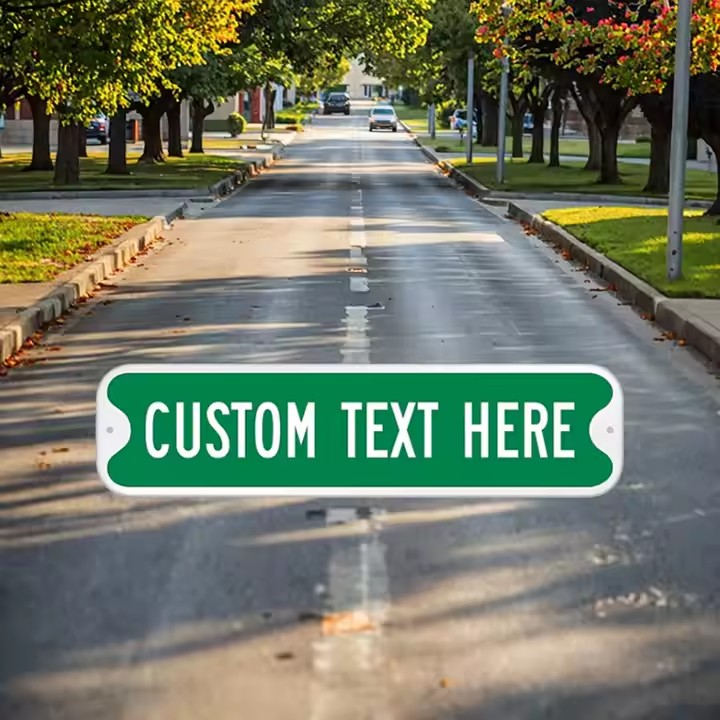
6. Street Name Signs (as Local Guide Signs)
Purpose: Identify street names at intersections for local navigation.
Applications:
-
Installed in urban and suburban intersections
-
Often combined with lighting for nighttime visibility
-
Example: “Maple Avenue”
Color Standard: Green background with white letters
Why Guide Signs Matter
Proper implementation of guide signs contributes to:
-
Improved navigation for all road users
-
Reduced congestion by guiding traffic efficiently
-
Enhanced safety through early lane positioning
-
Compliance with national and local regulations
Conclusion
Guide signs play a pivotal role in traffic systems by offering consistent, clear, and reliable navigation. Whether it’s helping a driver find the correct highway exit or identifying essential roadside services, each type of guide sign has a distinct and valuable function.
If you’re planning a road signage project or need custom guide signs that meet MUTCD or local standards, we offer durable, high-visibility solutions tailored to your needs. Contact us today for professional assistance.