Monday to Saturday - 8:00 -17:30

Types of Traffic Signs Commonly Made with Metal Materials
Metal traffic signs are widely used around the world due to their durability, strength, and weather resistance. Whether on highways, city streets, or rural roads, metal signs—most commonly made from aluminum or galvanized steel—are essential tools for managing traffic and ensuring public safety.
In this article, we’ll explore the major types of traffic signs that are typically manufactured using metal materials, along with their functions and advantages.
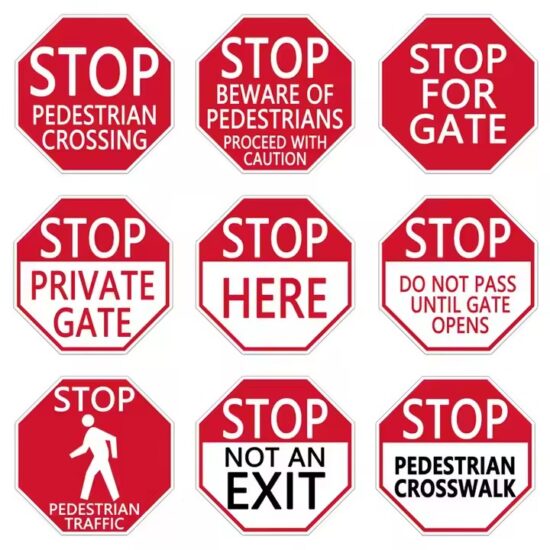
1. Regulatory Signs
These signs communicate laws and regulations that drivers must follow. Failure to obey them can result in penalties or accidents.
✅ Common Regulatory Signs Made of Metal:
-
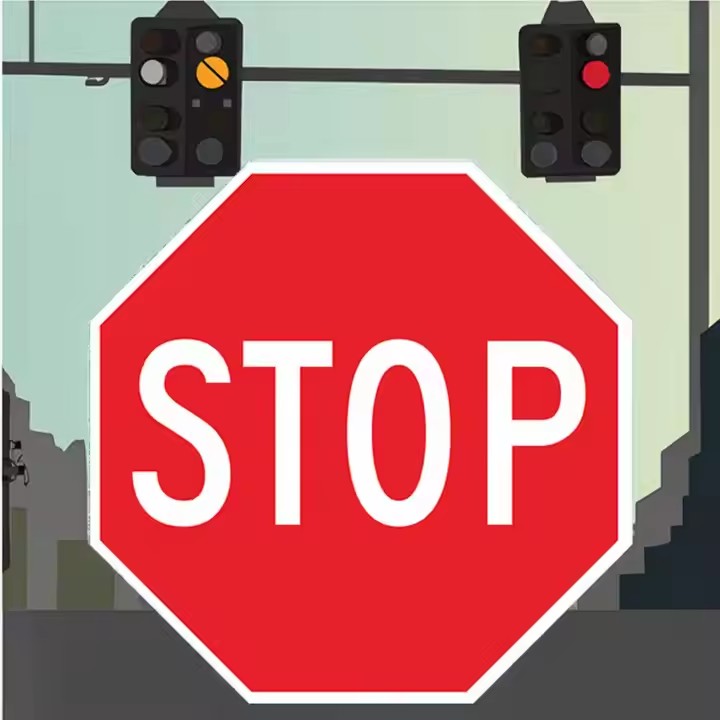
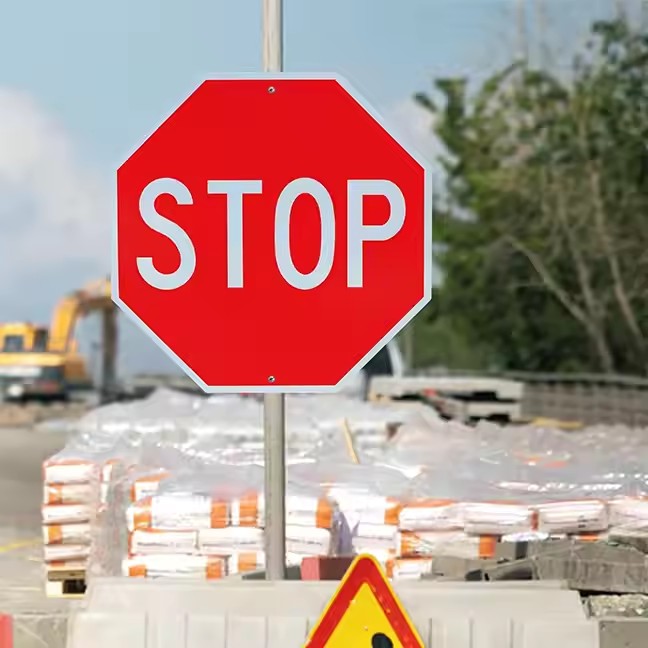
Stop Signs
-
Yield Signs
-
Speed Limit Signs
-
No Parking / No U-Turn / One Way
-
Do Not Enter
Why Metal?
Regulatory signs must be visible and withstand harsh conditions. Metal ensures long-lasting readability and compliance with national traffic laws.
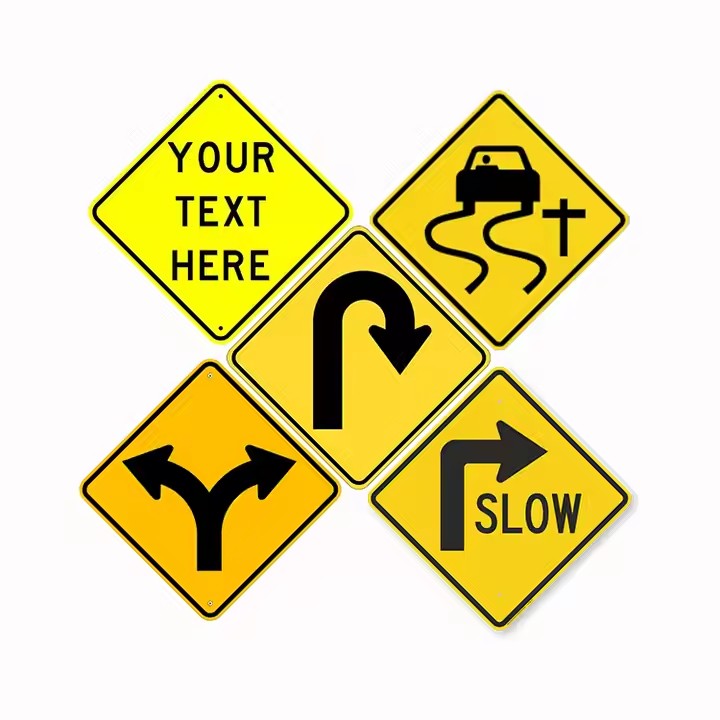
2. Warning Signs
Warning signs alert drivers to potential hazards or changes in road conditions ahead.
✅ Common Warning Signs Made of Metal:
-
Sharp Turn / Curve Ahead
-
Pedestrian Crossing
-
School Zone Warning
-
Slippery When Wet
-
Animal Crossing / Deer Warning
-
Narrow Bridge / Hill Ahead
Why Metal?
These signs are often placed in outdoor, rural, or high-speed areas. Metal’s corrosion resistance and strength are vital for performance and visibility over time.
3. Guide Signs
Guide signs provide directional and navigational information to help drivers reach their destinations.
✅ Common Metal Guide Signs:
-
Highway Route Markers
-
Destination Distance Signs
-
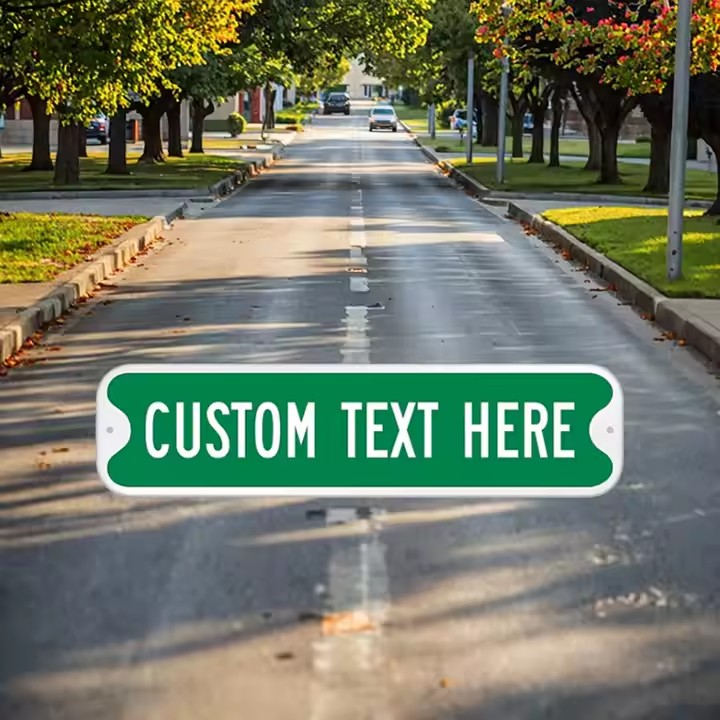
Street Name Signs
-
Exit Directional Signs
-
Service Area or Rest Stop Signs
Why Metal?
Guide signs require large panels, and aluminum’s lightweight yet durable nature makes it ideal for mounting on poles or overhead structures.
4. Construction and Temporary Signs
Though some are made of plastic, many temporary traffic signs are still manufactured using lightweight metal frames and panels for durability in rugged environments.
✅ Examples:
-
Detour Arrows
-
Road Work Ahead
-
Flagger Ahead
-
Lane Closure Warnings
Why Metal?
For temporary setups that need to be reused, metal signs offer longer life spans and reduced total replacement costs.
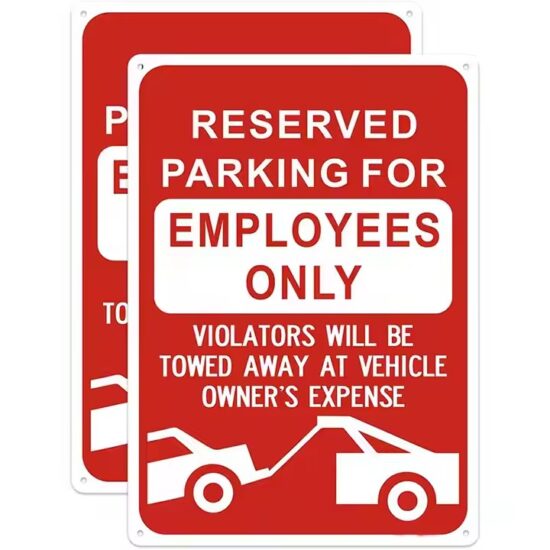
5. Parking and Facility Signs
Used in commercial zones, campuses, and private properties to control access and designate spaces.
✅ Common Parking-Related Metal Signs:
-
Reserved Parking / No Parking
-
Handicap Parking Signs (ADA Compliant)
-
Loading Zone / Tow-Away Zone
-
Time-Limited Parking
Why Metal?
Metal signs are tamper-resistant, weatherproof, and ideal for permanent outdoor installation.
6. Custom or Specialty Signs
Many facilities or private properties use custom metal signs for internal traffic control, branded wayfinding, or safety instructions.
✅ Examples:
-
Warehouse Speed Limits
-
Directional Arrows for Campuses
-
Emergency Assembly Area Signs
-
Security Checkpoint Signs
Why Metal?
Custom metal signs offer flexibility in shape, design, and coating—while remaining rugged and professional-looking.
Conclusion
From regulatory and warning signs to guide and custom signage, metal remains the top material choice for traffic sign manufacturing. Its unmatched durability, reflectivity, and long-term cost-effectiveness make it ideal for almost every traffic application.
Whether you need standard MUTCD-compliant signs or fully customized metal traffic signage, we offer premium aluminum and steel options with expert support and fast delivery.
Contact us today to learn more about our wholesale and custom signage solutions.