Monday to Saturday - 8:00 -17:30

What Is Mounting Hardware and Why Is It Important?
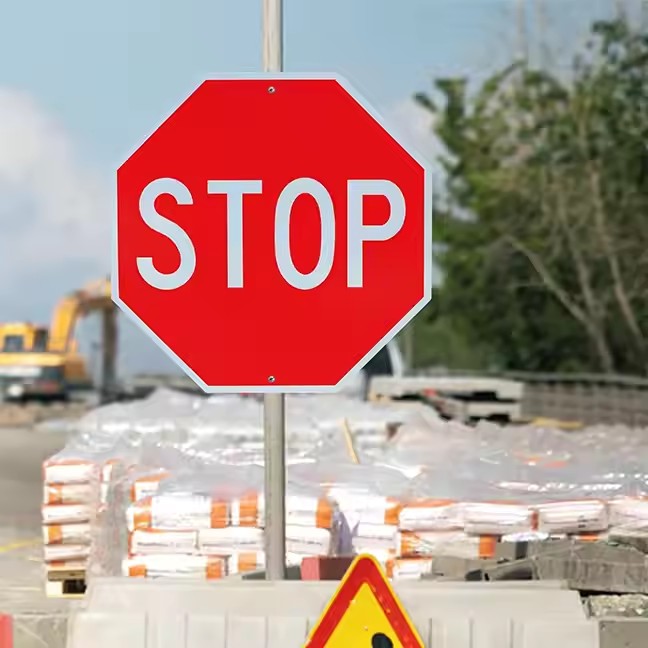
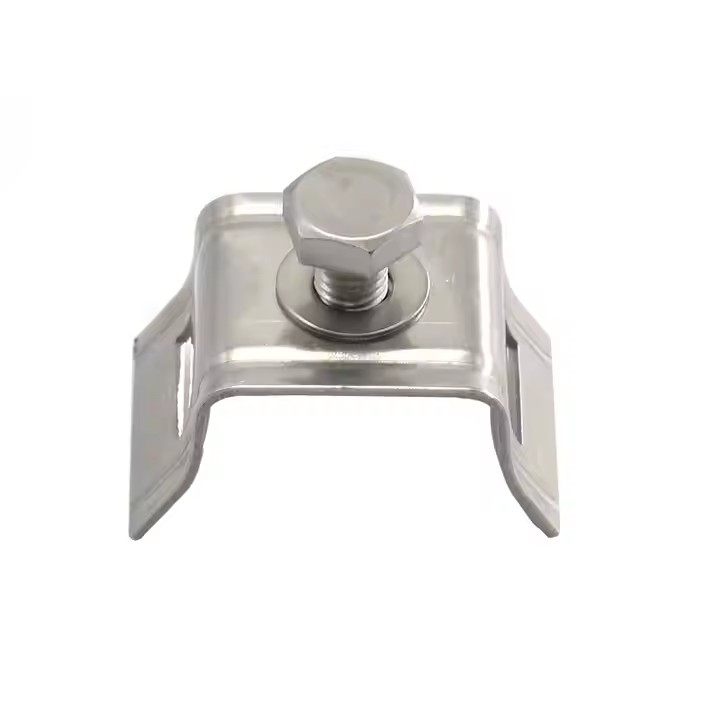
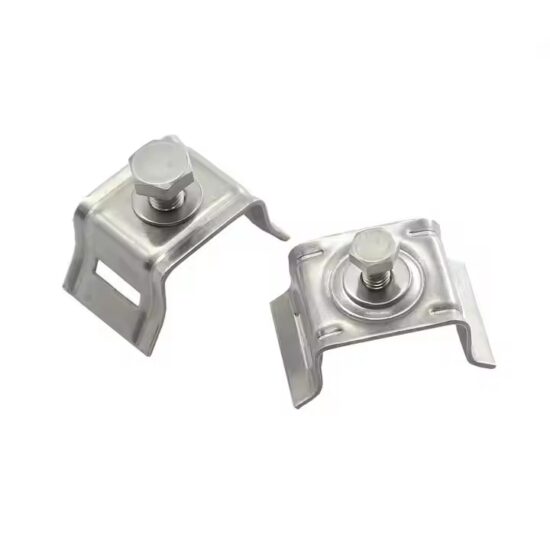
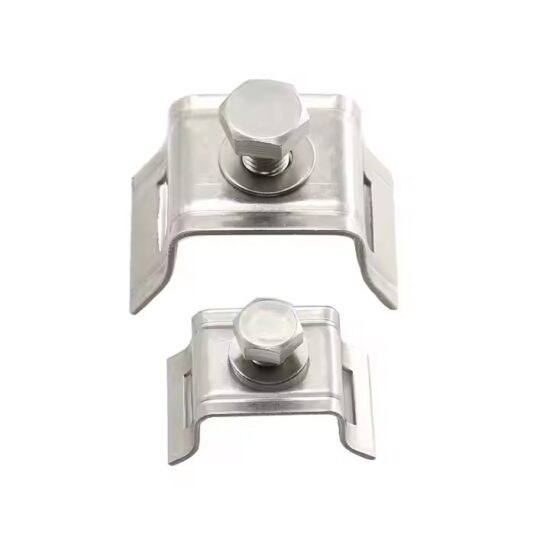
Mounting hardware refers to the various components and accessories used to securely attach traffic signs to poles, walls, posts, or other structures. While often overlooked, mounting hardware plays a critical role in ensuring that signs remain stable, visible, and compliant with safety regulations.
Without proper mounting, even the highest quality traffic signs can become ineffective or dangerous.
1. Types of Mounting Hardware
The most common types of mounting hardware used for traffic signs include:
-
U-Bolts: Circular bolts used to attach signs to round poles securely.
-
Banding Straps: Stainless steel or metal straps that wrap around poles or posts.
-
Bracket Assemblies: Metal brackets designed to hold signs at specific angles or orientations.
-
Post Caps and Bases: Components that finish the installation and protect mounting posts.
-
Bolts, Nuts, and Washers: Essential fasteners for securing signs and brackets firmly.
-
Slip Fitter Mounts: Allow adjustable angles and quick installation on poles.
2. Why Proper Mounting Hardware Matters
🔧 Stability and Safety
Secure mounting hardware keeps signs from shifting, falling, or twisting in wind or due to impact, which is vital for maintaining clear communication and preventing accidents.
💪 Durability
Quality hardware made from rust-resistant materials (like galvanized steel or stainless steel) prevents corrosion and extends the lifespan of the sign installation.
🛠 Regulatory Compliance
Many traffic regulations (such as MUTCD in the U.S.) specify standards for sign mounting height, orientation, and structural integrity, which mounting hardware helps achieve.
🌦 Environmental Resistance
Proper hardware withstands weather conditions—rain, snow, UV rays, and temperature fluctuations—without loosening or failing.
3. Choosing the Right Mounting Hardware
Considerations when selecting mounting hardware include:
-
Pole Type and Size: Round, square, wood, or concrete poles require different mounting solutions.
-
Sign Size and Weight: Heavier or larger signs need sturdier hardware.
-
Installation Environment: Urban, rural, or construction zones have unique durability requirements.
-
Adjustability Needs: Some locations require adjustable mounts for angle or height changes.
4. Installation Best Practices
-
Use the correct hardware type and size for your sign and mounting surface.
-
Follow manufacturer instructions and local regulations carefully.
-
Ensure hardware is tightened securely but not over-torqued to avoid damage.
-
Regularly inspect and maintain mounts to detect corrosion or loosening.
Conclusion
Mounting hardware is a crucial yet often underestimated component of effective traffic signage. By ensuring that signs are securely and correctly installed, mounting hardware guarantees maximum visibility, safety, and longevity—helping keep roadways safe and compliant.
If you need expert guidance or quality mounting hardware for your traffic sign projects, contact us today for professional solutions tailored to your needs.