Monday to Saturday - 8:00 -17:30

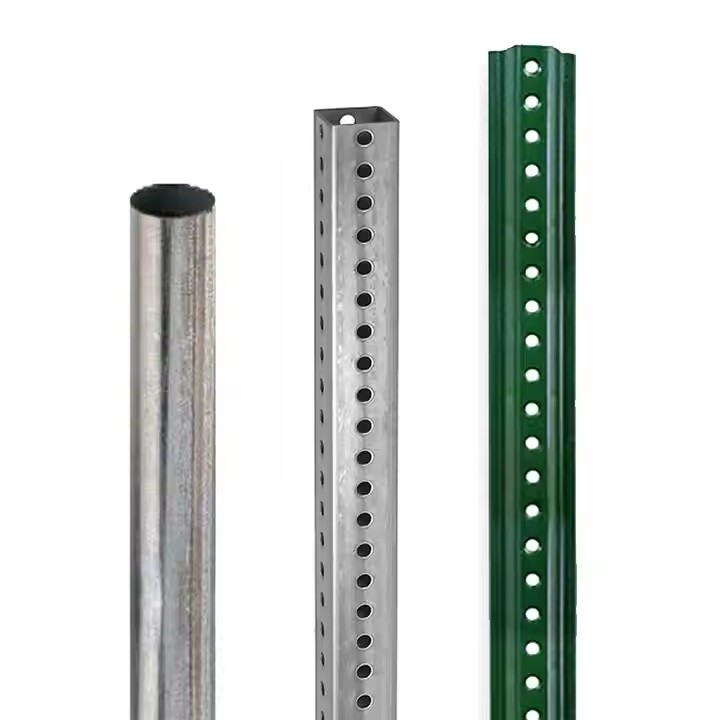
Materials Used in Mounting Hardware: Pros and Cons
Mounting hardware is critical for securely installing traffic signs and ensuring their longevity and safety. The choice of material significantly impacts the performance, durability, and maintenance requirements of the hardware.
This article reviews the most common materials used in mounting hardware for traffic signs, highlighting their advantages and disadvantages.
1. Galvanized Steel
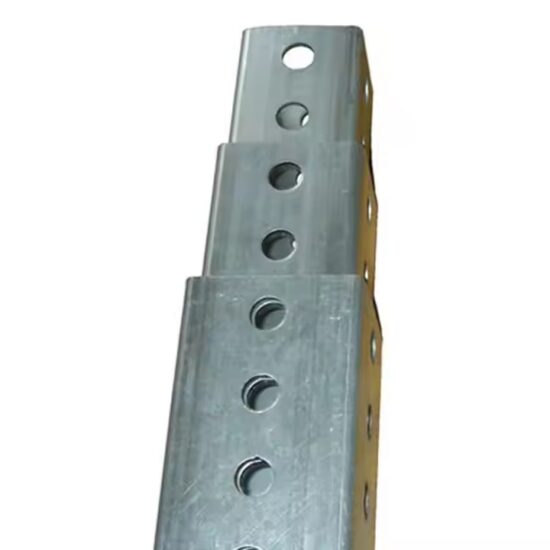
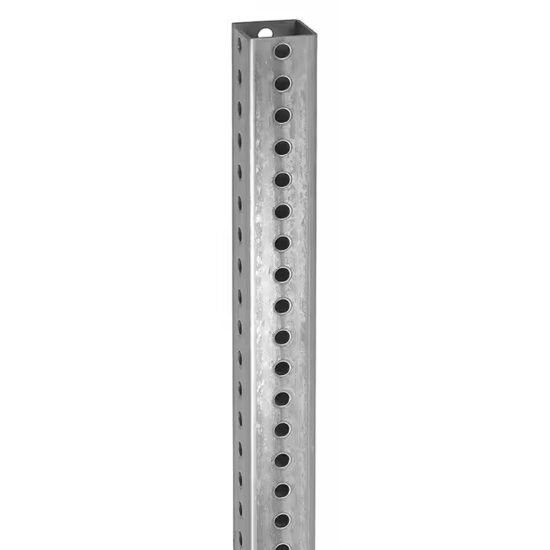
Galvanized steel is steel coated with a layer of zinc to prevent rust and corrosion.
✅ Pros:
-
Strong and durable — ideal for heavy-duty applications
-
Cost-effective compared to stainless steel
-
Good corrosion resistance in typical outdoor environments
-
Widely available and easy to work with
❌ Cons:
-
Can eventually corrode in harsh, salty, or coastal environments
-
Zinc coating can wear off over time, requiring maintenance or replacement
2. Stainless Steel
Stainless steel contains chromium, providing excellent corrosion resistance.
✅ Pros:
-
Superior corrosion resistance, especially in coastal or industrial environments
-
Long lifespan with minimal maintenance
-
Strong and resistant to impact and weathering
-
Offers a clean, polished appearance
❌ Cons:
-
Higher cost than galvanized steel
-
Can be more difficult to cut and install due to hardness
3. Aluminum
Aluminum is a lightweight, corrosion-resistant metal commonly used in mounting hardware.
✅ Pros:
-
Lightweight, making installation easier
-
Naturally corrosion-resistant, ideal for coastal and humid areas
-
Requires minimal maintenance
-
Does not rust or stain
❌ Cons:
-
Lower strength compared to steel, less suitable for heavy loads
-
Can bend or deform under high stress or impact
4. Plastic and Composite Materials (Less Common)
Some mounting hardware components use plastic or composite materials for specific purposes.
✅ Pros:
-
Lightweight and corrosion-proof
-
Cost-effective for light-duty or temporary installations
❌ Cons:
-
Lower strength and durability
-
Prone to UV degradation and brittleness over time
Choosing the Right Material
Selecting mounting hardware materials depends on:
-
Environmental conditions: Coastal vs. inland, urban vs. rural
-
Load requirements: Size and weight of the sign and wind exposure
-
Budget considerations: Balancing upfront cost vs. maintenance
-
Longevity and maintenance needs
Conclusion
Understanding the pros and cons of different mounting hardware materials helps ensure that traffic signs remain securely installed and effective over time. For durable, safe, and cost-efficient signage installations, it’s essential to choose the right material tailored to your specific needs.
If you need expert advice or high-quality mounting hardware for your traffic signs, contact us today for customized solutions and professional support.