Monday to Saturday - 8:00 -17:30

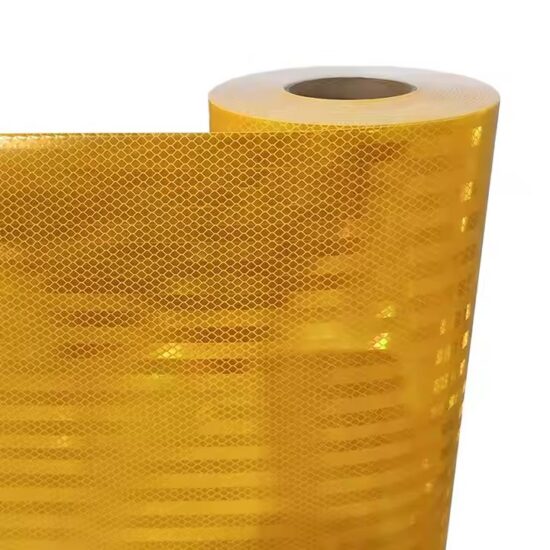
What Is Reflective Sheeting and How Does It Work?
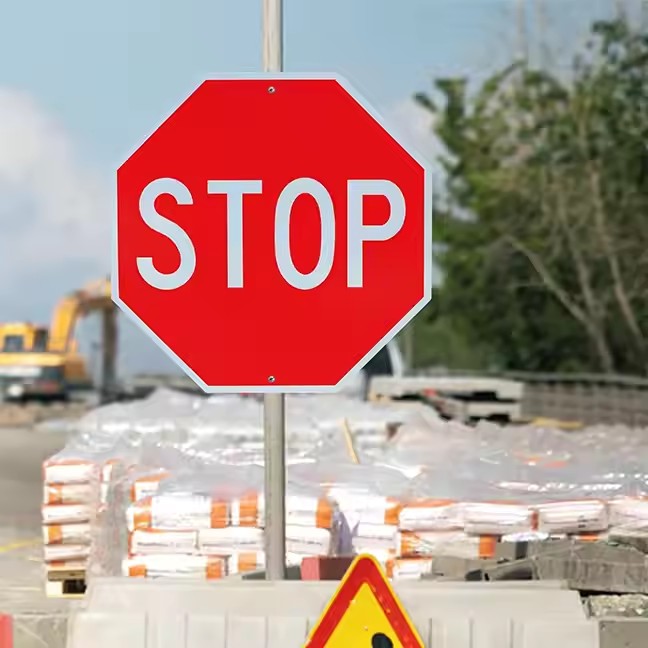
Reflective sheeting is a special type of material commonly used on traffic signs, safety apparel, and vehicle markings to improve nighttime and low-light visibility. It enhances safety by reflecting light from vehicle headlights back toward drivers, making signs easier to see in the dark or adverse weather conditions.
In this article, we’ll explain what reflective sheeting is, how it works, and why it is essential for traffic signage.
1. What Is Reflective Sheeting?
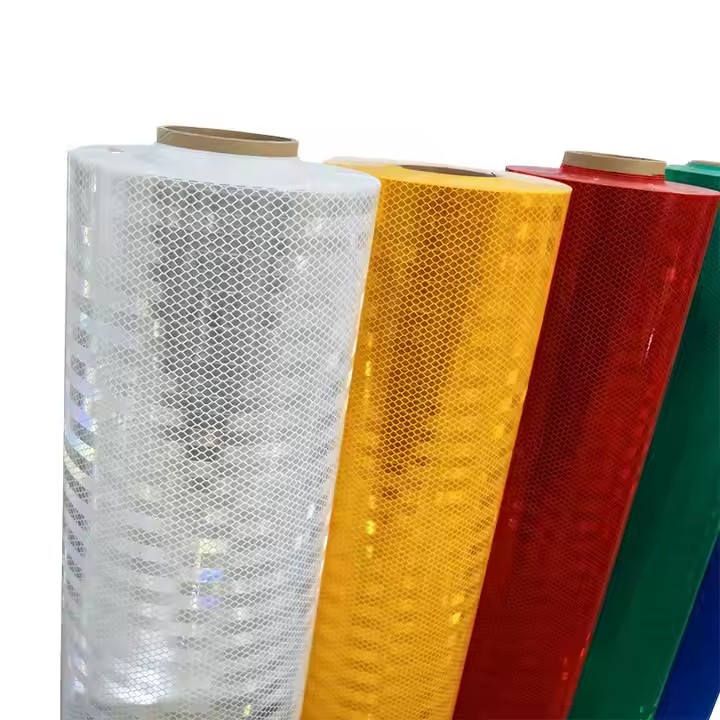
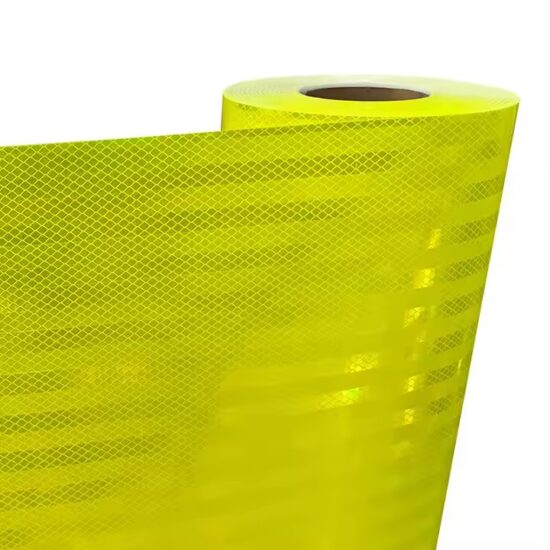
Reflective sheeting is a thin, flexible film applied to surfaces such as aluminum traffic signs. It contains microscopic glass beads or prismatic elements that reflect light directly back toward the source.
This material is designed to be durable, weather-resistant, and highly visible, increasing sign legibility during nighttime or poor visibility conditions.
2. How Does Reflective Sheeting Work?
Reflective sheeting works on the principle of retroreflection. Unlike ordinary materials that scatter light, retroreflective materials bounce light rays back toward their source with minimal scattering.
When vehicle headlights shine on a sign coated with reflective sheeting, the light is reflected back to the driver’s eyes, making the sign appear bright and clearly visible even at night.
3. Types of Reflective Sheeting
There are several types of reflective sheeting used in traffic signs:
-
Engineer Grade: Uses tiny glass beads for basic reflectivity; economical and common for standard traffic signs.
-
High-Intensity Prismatic (HIP): Uses microprisms for stronger reflectivity and better durability; suitable for busy roads and highways.
-
Diamond Grade: The highest reflectivity level using advanced microprismatic technology; ideal for critical safety signs and emergency vehicles.
4. Benefits of Reflective Sheeting on Traffic Signs
-
Enhanced Visibility: Improves sign detection from long distances at night.
-
Increased Safety: Helps drivers react earlier to warnings or instructions.
-
Weather Resistance: Maintains visibility in rain, fog, and snow.
-
Durability: Resists fading, scratches, and environmental damage.
-
Compliance: Meets regulatory standards such as MUTCD for traffic control devices.
5. Applications Beyond Traffic Signs
Reflective sheeting is also widely used in:
-
Safety vests and clothing
-
License plates
-
Vehicle decals and markings
-
Construction barriers and cones
Conclusion
Reflective sheeting is a vital component in modern traffic safety, providing enhanced visibility and durability for road signs and safety equipment. Its unique retroreflective properties ensure that signs remain visible and effective under all lighting conditions.
If you need high-quality traffic signs with premium reflective sheeting, we offer customizable options tailored to meet your specific requirements.
Contact us today to learn more about our reflective traffic signage solutions.