Monday to Saturday - 8:00 -17:30

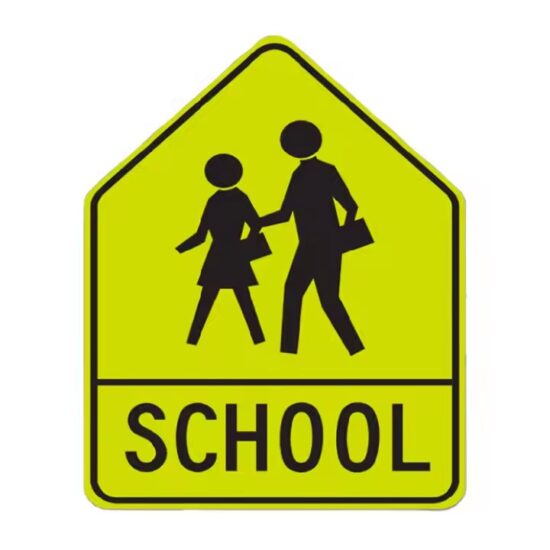
Typical Placement Locations for School Zone Signs
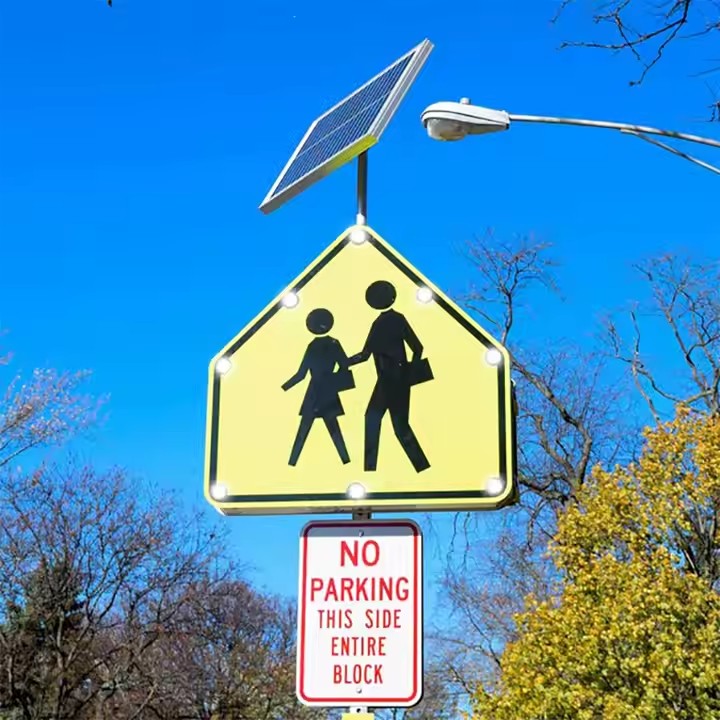
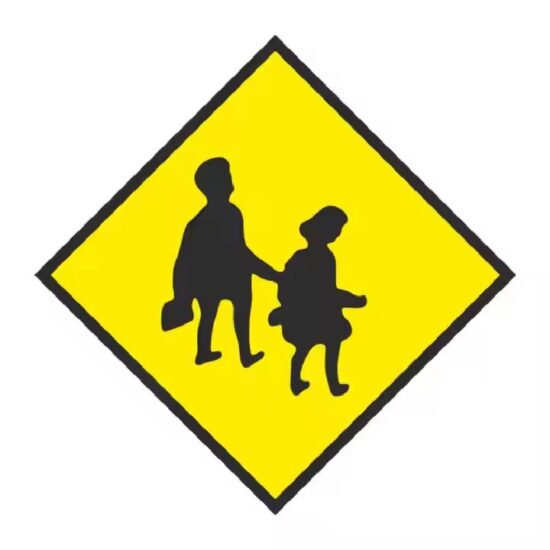
School zone signs play a critical role in alerting drivers to the presence of children and ensuring safe vehicle behavior near educational facilities. However, their effectiveness depends largely on proper placement. Installing school zone signs in strategic, high-visibility locations helps prevent accidents and enforce safe driving practices.
In this article, we’ll explore the typical and most effective placement locations for school zone signs.
1. Approach Roads to the School
Purpose: To give drivers early warning that they are entering a school zone.
Typical Signs:
-
“School Zone Ahead”
-
“Reduced Speed Ahead”
-
Flashing beacon signs (if applicable)
Placement: Usually 150–300 feet before the actual school zone or crosswalk, depending on local regulations.
2. Directly in Front of the School
Purpose: To clearly mark the boundaries of the school zone and alert drivers of peak activity areas.
Typical Signs:
-
“School Zone” speed limit signs
-
“Children Present”
-
“No Parking During School Hours”
Placement: Along the curb or roadside closest to the main school entrance.
3. Near Crosswalks and Pedestrian Crossings
Purpose: To highlight areas where children are likely to cross the street.
Typical Signs:
-
“School Crossing”
-
“Yield to Pedestrians in Crosswalk”
-
Painted crosswalks with embedded signs or standing posts
Placement: On both sides of the crosswalk, ideally with clear lines of sight from both directions.
4. At Intersections Near Schools
Purpose: To manage right-of-way, turns, or pedestrian flow at intersections adjacent to school property.
Typical Signs:
-
“Stop” or “Yield”
-
“No Turn on Red During School Hours”
-
“School Zone Begins/Ends”
Placement: At all corners where vehicle traffic meets pedestrian traffic.
5. School Parking Lots and Drop-Off Zones
Purpose: To regulate traffic movement and enhance safety during pick-up and drop-off times.
Typical Signs:
-
“One Way”
-
“No Parking”
-
“Drop-Off Only”
Placement: Within internal driveways and along curbs in front of school buildings.
6. Nearby Bus Stops and Loading Areas
Purpose: To reduce risks around school bus zones and prevent illegal passing.
Typical Signs:
-
“School Bus Stop Ahead”
-
“Do Not Pass When Red Lights Flash”
Placement: In advance of official bus stop zones or loading/unloading zones.
7. Transition Points (School Zone Ends)
Purpose: To indicate when the reduced speed and school zone regulations no longer apply.
Typical Signs:
-
“End School Zone”
-
Return to normal speed limit signs
Placement: Just beyond school zone boundaries, clearly marking the transition back to regular traffic conditions.
Conclusion
Strategically placing school zone signs is essential for maximizing visibility, driver compliance, and child safety. From approach roads to crosswalks and intersections, each placement serves a unique purpose in creating a secure environment for young pedestrians.
If you’re in need of custom school zone signs built to meet local safety regulations and placement standards, contact us today for expert advice and professional-grade signage solutions.