Monday to Saturday - 8:00 -17:30



Common Types of Reflective Signs and Their Uses
Reflective signs play a crucial role in traffic safety by enhancing visibility during nighttime and low-light conditions. These signs use special reflective materials that bounce light back to drivers, ensuring clear communication of important information on the road.
In this article, we will explore the common types of reflective signs and how they are used to improve safety and navigation.
1. Regulatory Reflective Signs
-
Purpose: Communicate laws and regulations that drivers must obey.
-
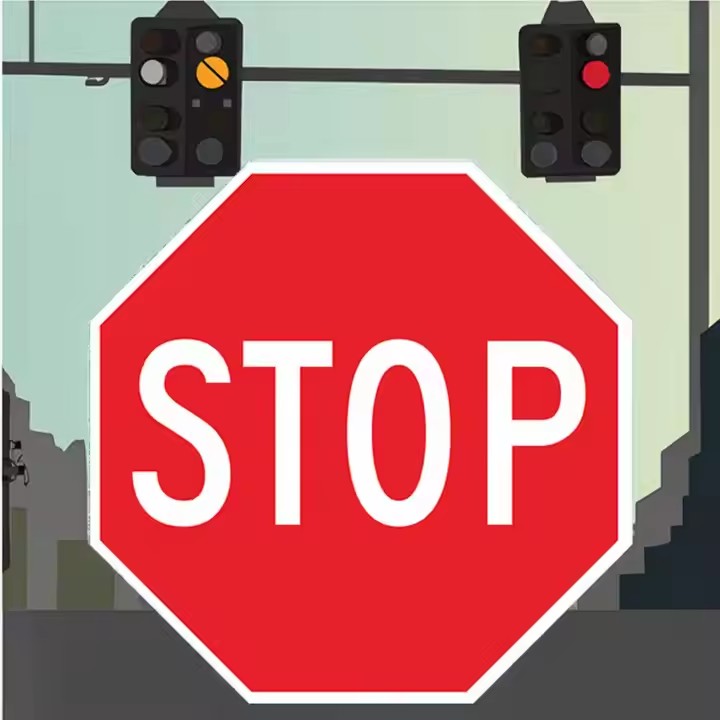
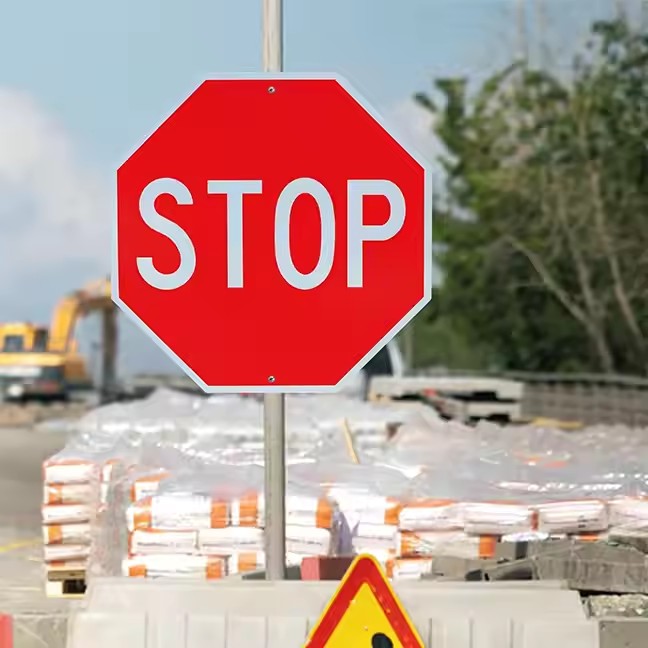
Examples: Stop signs, Speed limit signs, No entry signs, One-way signs.
-
Use: Installed at intersections, roadways, and areas requiring strict adherence to traffic rules.
These signs help maintain order and prevent accidents by clearly outlining required driver behavior.
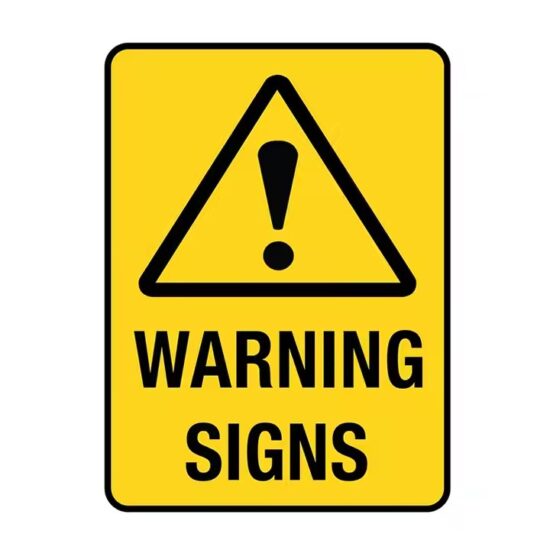
2. Warning Reflective Signs
-
Purpose: Alert drivers to potential hazards or changes in road conditions.
-
Examples: Curve ahead, Pedestrian crossing, Slippery road, School zone signs.
-
Use: Placed before hazardous areas to give drivers ample time to react safely.
Warning signs are vital for preventing accidents by providing advance notice of risks.
3. Guide Reflective Signs
-
Purpose: Provide directional and navigational information to drivers.
-
Examples: Exit signs, Mile markers, Street name signs, Route markers.
-
Use: Common on highways, urban roads, and complex intersections to assist navigation.
These signs improve traffic flow and reduce confusion by guiding drivers effectively.
4. Parking Reflective Signs
-
Purpose: Regulate parking behavior and designate parking zones.
-
Examples: No parking, Handicapped parking, Time-limited parking, Reserved parking signs.
-
Use: Found in parking lots, streets, and private properties to organize vehicle parking.
Reflective parking signs ensure drivers can see parking rules clearly at all times.
5. Temporary and Construction Reflective Signs
-
Purpose: Provide warnings and instructions in construction zones or during temporary changes.
-
Examples: Road work ahead, Detour, Flagman ahead, Reduced speed limit signs.
-
Use: Used in work zones to protect workers and drivers by managing traffic safely.
These signs are typically highly reflective and sometimes fluorescent to maximize visibility.
Conclusion
Reflective signs come in various types, each serving a unique role in traffic management and safety. Their ability to reflect light makes them indispensable for ensuring visibility and clear communication on roads at all times.
If you are looking for customizable reflective traffic signs that meet safety standards and enhance visibility, contact us today for professional solutions.