Monday to Saturday - 8:00 -17:30

Common Types of Regulatory Signs and Their Applications
Regulatory signs are critical components of traffic control systems. They inform drivers and pedestrians about specific rules and laws that must be followed to ensure safety and order on the roads. These signs help prevent accidents, manage traffic flow, and enforce legal requirements.
This article covers the most common types of regulatory signs and explains their typical applications.
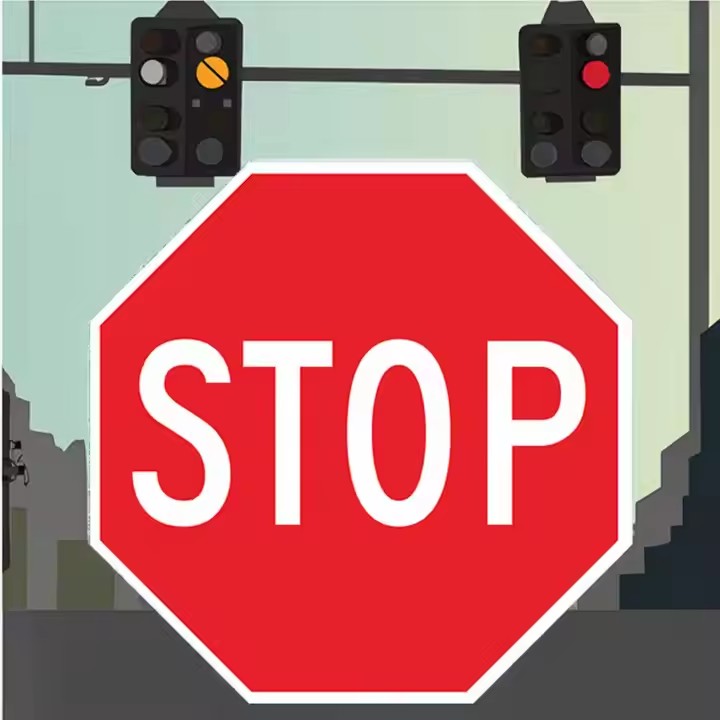
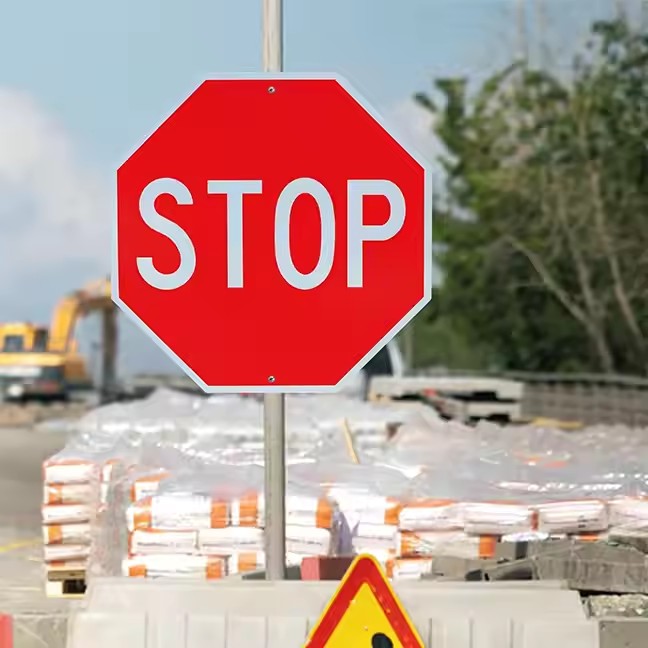
1. Stop Signs
-
Purpose: Require drivers to come to a complete stop and proceed only when safe.
-
Application: Installed at intersections and pedestrian crossings to prevent collisions.
2. Speed Limit Signs
-
Purpose: Indicate the maximum or minimum speed allowed on a road segment.
-
Application: Found on highways, urban roads, and residential areas to regulate vehicle speed.
3. Yield Signs
-
Purpose: Direct drivers to give right-of-way to other vehicles or pedestrians.
-
Application: Used at merging lanes, roundabouts, and junctions to control traffic flow.
4. No Entry/Do Not Enter Signs
-
Purpose: Prohibit vehicles from entering restricted or one-way streets.
-
Application: Placed at road entrances to control traffic direction and prevent wrong-way driving.
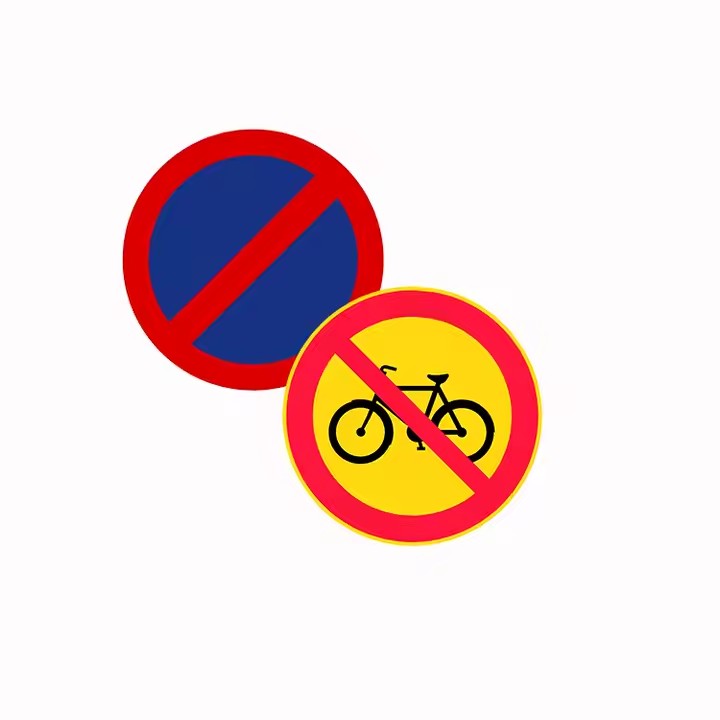
5. No Parking and No Stopping Signs
-
Purpose: Regulate where vehicles may park or stop.
-
Application: Commonly used in urban areas, fire lanes, and loading zones to keep traffic moving and emergency access clear.
6. One-Way Signs
-
Purpose: Indicate the direction vehicles must travel on a specific road or lane.
-
Application: Used in city streets, parking lots, and complex road networks to prevent head-on collisions.
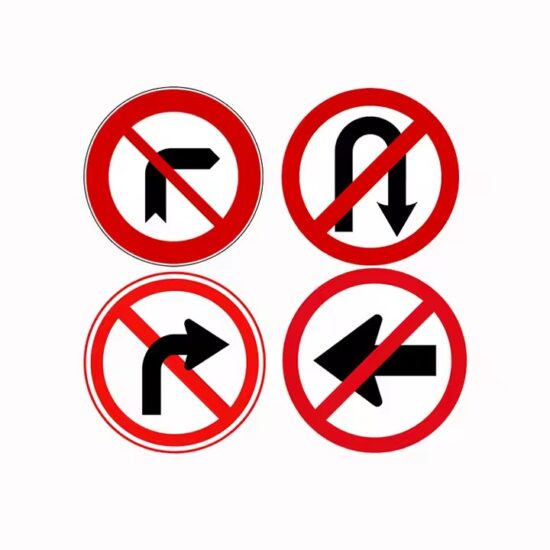
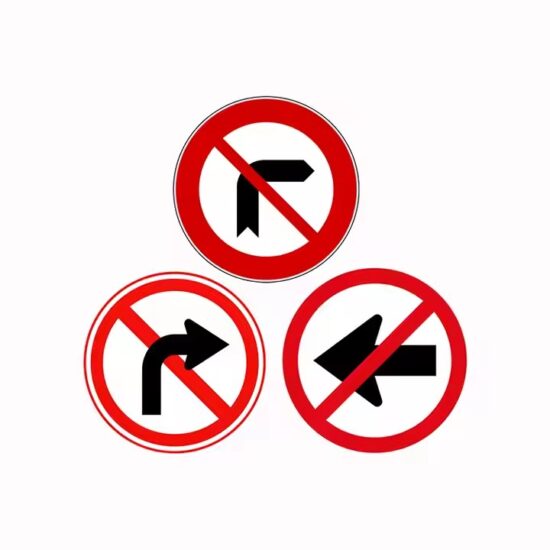
7. Turn Restriction Signs
-
Purpose: Specify allowed or prohibited turning movements (e.g., No Left Turn, No U-Turn).
-
Application: Installed at intersections to manage traffic patterns and enhance safety.
8. Pedestrian Crossing Signs
-
Purpose: Alert drivers to designated pedestrian crossing areas.
-
Application: Placed near schools, parks, and busy streets to protect pedestrians.
Conclusion
Regulatory signs come in various types, each serving specific functions to regulate traffic behavior and improve safety. Proper installation and maintenance of these signs are essential for effective traffic management.
If you need custom regulatory signs that comply with safety standards and suit your specific applications, contact us today for professional advice and quality products.