Monday to Saturday - 8:00 -17:30

How Road Work Signs Help Prevent Accidents and Manage Traffic
Road construction and maintenance zones are essential for keeping infrastructure safe and functional—but they also create temporary disruptions that can pose risks to both drivers and workers. To mitigate these risks, road work signs are used as critical tools to maintain order, prevent accidents, and manage traffic flow effectively.
This article explores how these signs function and why they are indispensable to safety and efficiency in road work zones.
1. Early Warning to Drivers
Road work signs such as “Road Work Ahead” or “Construction Zone” provide drivers with advance notice of upcoming changes in road conditions. This early alert allows drivers to:
-
Reduce speed in time
-
Prepare for lane changes or detours
-
Heighten awareness of nearby workers and equipment
Without these signs, drivers may not have enough time to react safely.
2. Clear Guidance Through Disruptions
Signs like “Lane Closed Ahead,” “Merge Left,” and “Detour” direct traffic safely around the work zone. This organized flow prevents last-minute lane changes, abrupt stops, and bottlenecks—common causes of rear-end collisions and road rage incidents.
Proper signage ensures drivers know where to go and how to move, even in unfamiliar or complex work zones.
3. Reduced Speeds in High-Risk Areas
Temporary speed limit signs and warnings like “Flagger Ahead” help reduce vehicle speed, giving drivers more time to respond to unexpected changes or hazards. Slower speeds are essential in areas where workers are operating close to traffic.
Speed reduction in work zones significantly lowers the risk of serious injury or fatality in case of an accident.
4. Protection for Construction Workers
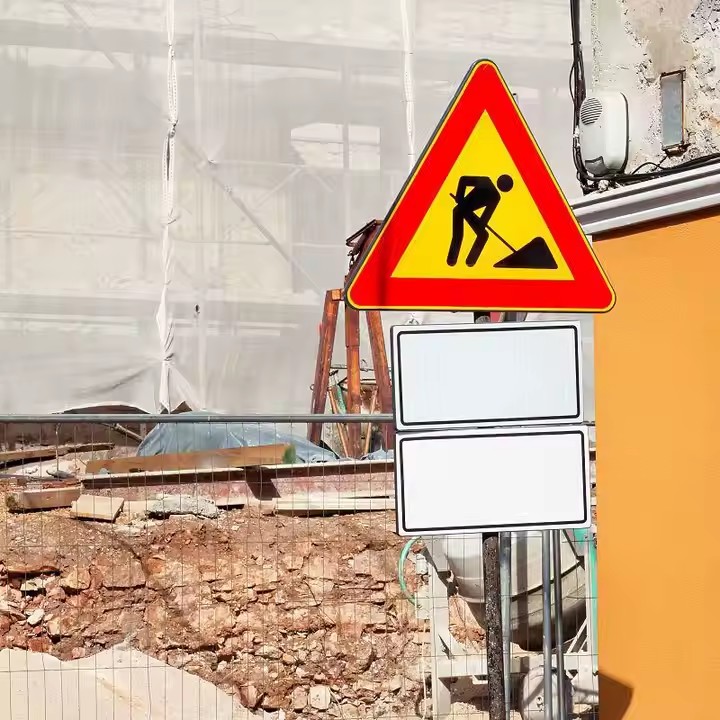
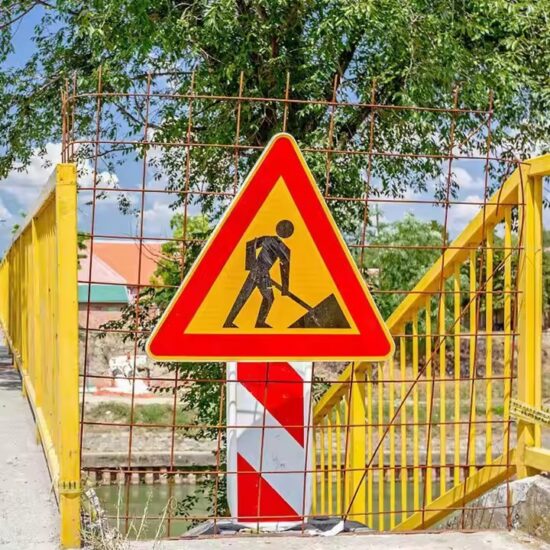
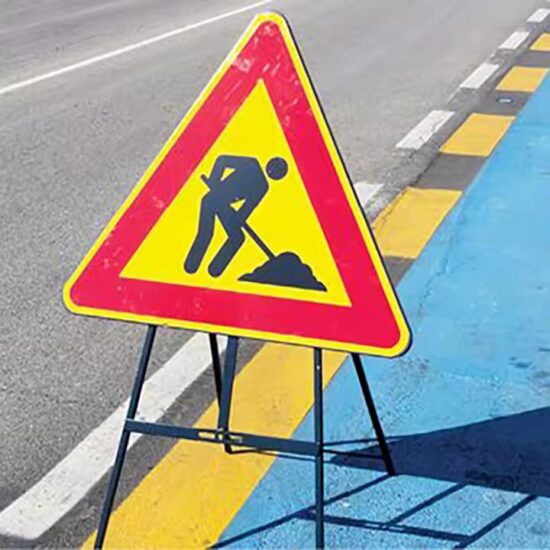
Work zones often involve workers operating close to moving traffic. Signs like “Men at Work” or “Work Zone – Fines Doubled” emphasize the presence of people on foot and encourage drivers to be cautious and respectful.
Properly placed signage creates a buffer zone between workers and vehicles, improving safety conditions for labor crews.
5. Real-Time Traffic Management
Advanced signage like portable message boards or flashing arrow panels can adjust in real time to reflect changing conditions. This flexibility helps:
-
Divert traffic quickly during emergencies
-
Reduce congestion by suggesting alternate routes
-
Communicate weather-related or time-sensitive hazards
Such adaptability keeps traffic moving safely and efficiently, even during unexpected disruptions.
6. Legal Compliance and Accountability
In many countries, displaying appropriate road work signage is not only recommended—it’s legally required. These signs:
-
Ensure the site complies with regulations (e.g., MUTCD, OSHA)
-
Serve as legal protection in case of an accident
-
Demonstrate that proper safety measures were taken
Without proper signage, companies and municipalities may be held liable for damages.
Conclusion
Road work signs are far more than temporary markers—they are essential safety tools that protect lives, manage traffic, and maintain order in unpredictable and high-risk zones. From warning signs and lane guidance to speed control and worker safety, each sign plays a role in preventing accidents and keeping roads functional during maintenance.
If you’re looking for customized, durable road work signs that meet all safety standards, contact us today for expert guidance and professional manufacturing.