Monday to Saturday - 8:00 -17:30


The Role of No Parking Signs in Urban Traffic Management
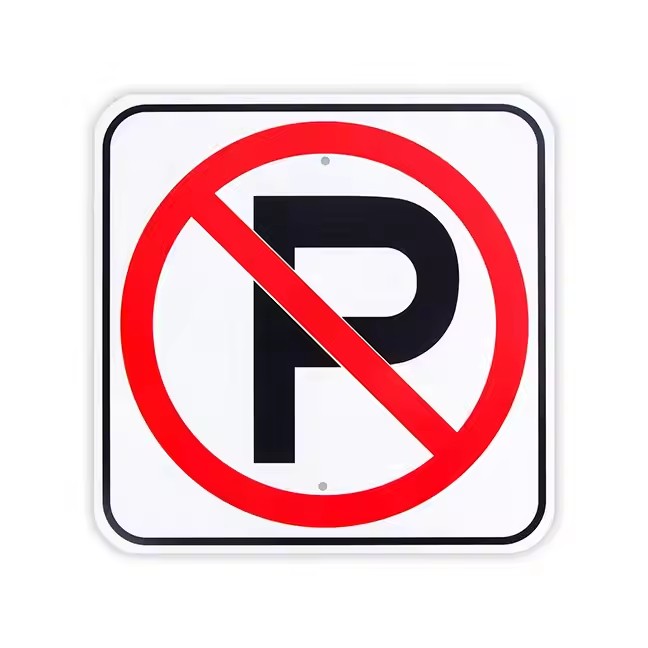
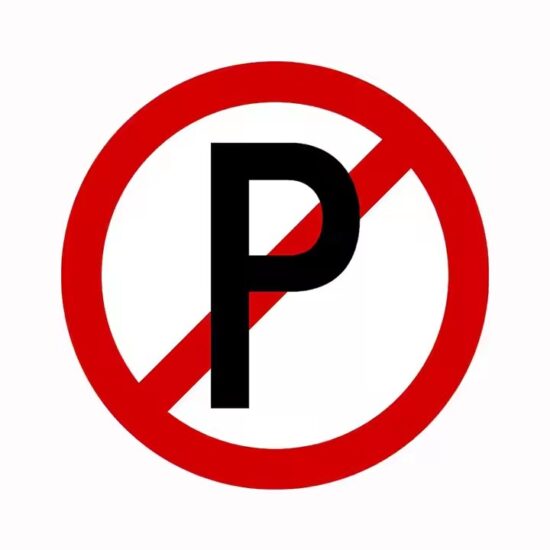
As cities grow and traffic volumes increase, efficient urban traffic management becomes more critical than ever. Among the many tools used to maintain road safety and mobility, No Parking signs play a fundamental role. These signs are more than simple restrictions—they are key to organizing traffic, reducing congestion, and protecting both drivers and pedestrians.
In this article, we explore how No Parking signs contribute to effective urban traffic management.
1. Regulating Traffic Flow
In crowded city environments, parked vehicles can quickly turn a functional roadway into a bottleneck. No Parking signs prevent vehicles from occupying key areas such as:
-
Narrow lanes
-
Intersections
-
Merging zones
-
Loading and unloading areas
By clearly indicating where parking is not allowed, these signs help keep traffic moving smoothly, especially during peak hours.
2. Enhancing Road Safety
Improperly parked vehicles can obstruct visibility, block crosswalks, or force pedestrians and cyclists into active traffic lanes.
No Parking signs placed near:
-
School zones
-
Crosswalks
-
Bus stops
-
Driveways
…ensure safer access for vulnerable road users and help drivers maintain clear sightlines.
3. Preserving Emergency Access
Urban areas depend on rapid emergency response. No Parking signs help secure critical access for:
-
Fire lanes
-
Ambulance entrances
-
Police routes
Blocked emergency paths can result in delayed response times and life-threatening consequences. Properly placed signage ensures uninterrupted emergency access at all times.
4. Improving Public Transit Efficiency
Public transportation is a backbone of urban mobility. No Parking signs at:
-
Bus lanes
-
Transit hubs
-
Taxi stands
…ensure that transit vehicles can pick up and drop off passengers without obstruction, improving schedule reliability and overall efficiency.
5. Supporting Urban Planning and Zoning
Strategically placed No Parking signs are part of larger urban traffic and zoning strategies. They help:
-
Designate loading zones for businesses
-
Protect pedestrian-only streets
-
Manage residential permit parking
-
Coordinate street cleaning schedules
This contributes to organized space usage and ensures that each section of a city is used efficiently.
6. Facilitating Law Enforcement and Compliance
Without clear signage, enforcing parking rules becomes difficult. No Parking signs:
-
Serve as legal markers for issuing fines or towing
-
Support fair and consistent enforcement
-
Help educate drivers about restrictions
This improves compliance and reduces conflicts between residents, drivers, and authorities.
Conclusion
No Parking signs are far more than regulatory tools—they are essential elements in creating safe, efficient, and livable urban environments. From reducing congestion and enhancing safety to supporting public transit and emergency access, these signs help cities function smoothly.
If you’re managing urban infrastructure or planning signage for city streets, we offer durable, reflective, and customizable No Parking signs that meet local regulations and urban design needs.
Contact us today for expert support on bulk signage solutions tailored to your city or property.