Monday to Saturday - 8:00 -17:30

The Role of Regulatory Signs in Traffic and Workplace Safety
Regulatory signs serve as essential tools to communicate rules and instructions that maintain safety and order, not only on roads but also in workplaces. These signs provide clear guidance that helps prevent accidents, enforce compliance, and protect both workers and the general public.
This article examines the critical role regulatory signs play in enhancing safety in traffic and workplace environments.
1. Regulatory Signs in Traffic Safety
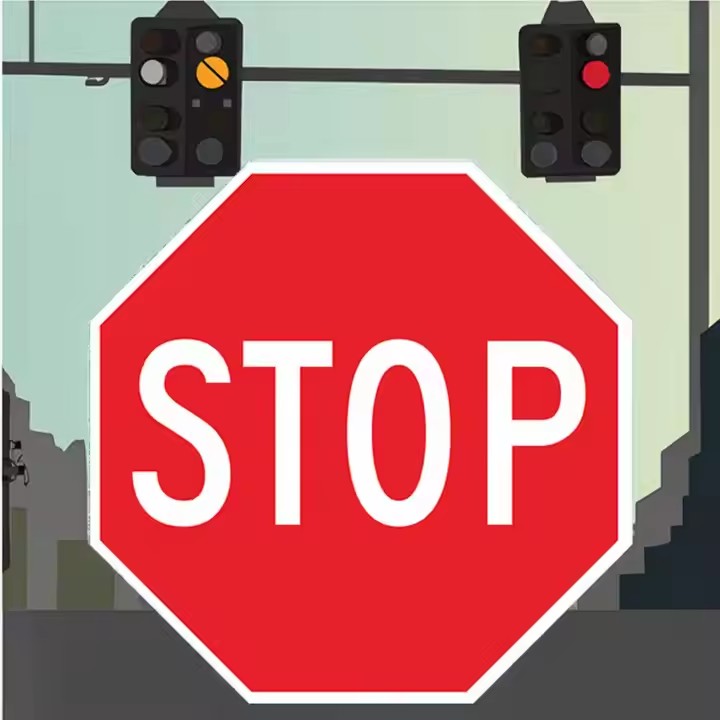
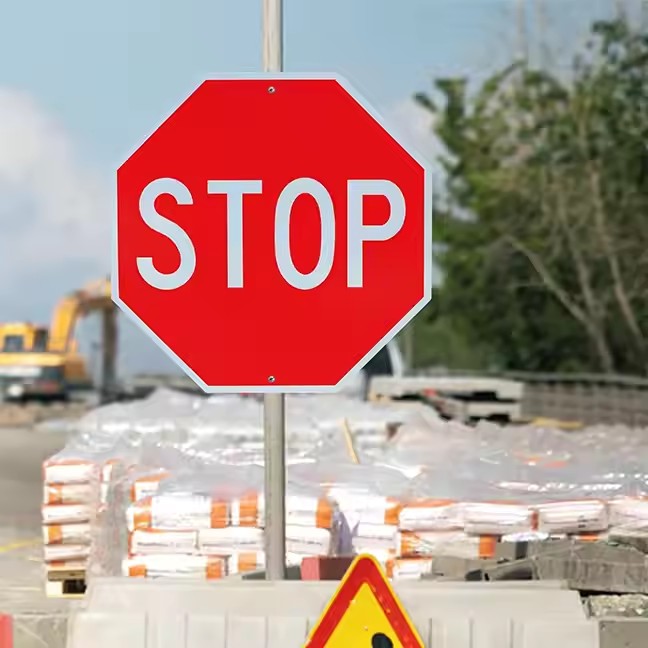
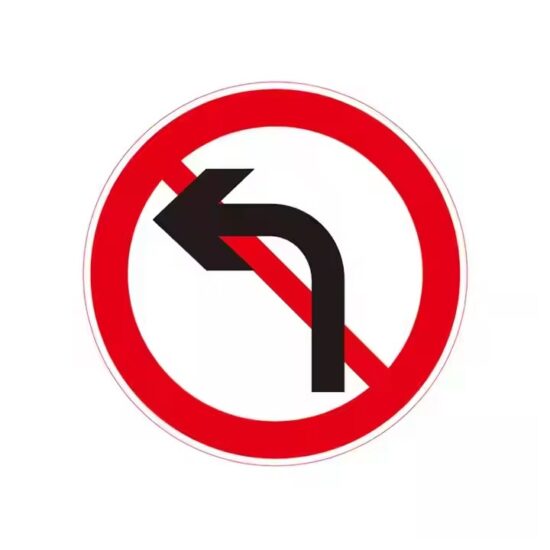
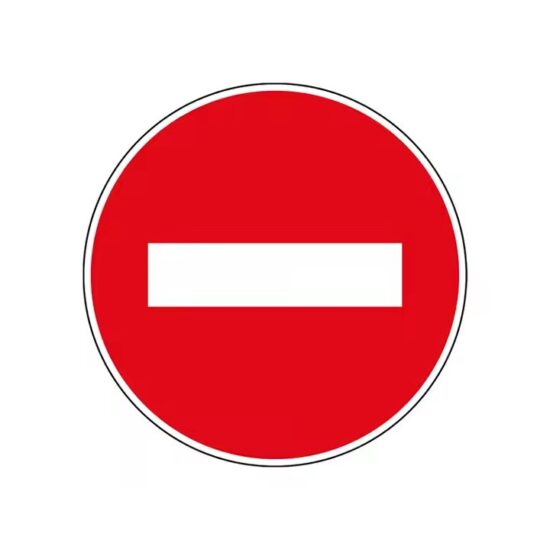
In traffic systems, regulatory signs control vehicle and pedestrian behavior by conveying legally enforceable rules such as speed limits, stop requirements, and no parking zones. Proper use of these signs reduces the likelihood of collisions, manages traffic flow, and safeguards all road users.
2. Regulatory Signs in Workplace Safety
Workplaces, especially industrial and construction sites, utilize regulatory signs to inform employees and visitors about safety procedures and restrictions. Examples include:
-
Mandatory protective equipment signs (e.g., hard hats, safety goggles)
-
Restricted area signs
-
No smoking or open flame signs
-
Speed limits for vehicles in work zones
These signs help prevent workplace accidents and ensure compliance with occupational health and safety regulations.
3. Common Features of Regulatory Signs
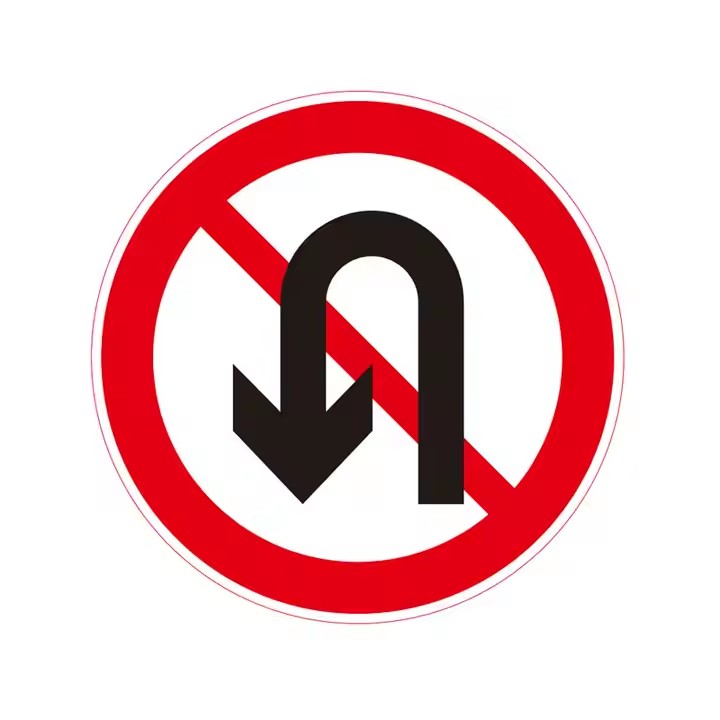
Regulatory signs typically feature distinct shapes, colors (often red, white, and black), and clear symbols or text to convey commands effectively. Their design ensures quick recognition and understanding, critical for immediate compliance.
4. Benefits of Regulatory Signs in Safety Management
-
Clear communication of rules and restrictions
-
Legal enforcement support
-
Reduced risk of accidents and injuries
-
Improved traffic and workplace efficiency
-
Protection for vulnerable populations such as pedestrians and workers
5. Ensuring Compliance and Consistency
Regulatory signs follow established standards like the Manual on Uniform Traffic Control Devices (MUTCD) and Occupational Safety and Health Administration (OSHA) guidelines. Consistency in sign design and placement helps users recognize and obey signs in diverse settings.
Conclusion
Regulatory signs are vital for promoting safety and order in both traffic systems and workplaces. Their role in guiding behavior, supporting enforcement, and reducing risks makes them indispensable tools for effective safety management.
For custom regulatory signs designed to meet traffic and workplace safety standards, contact us today for professional solutions tailored to your needs.