Monday to Saturday - 8:00 -17:30

What Are Guide Signs and How Do They Improve Navigation?
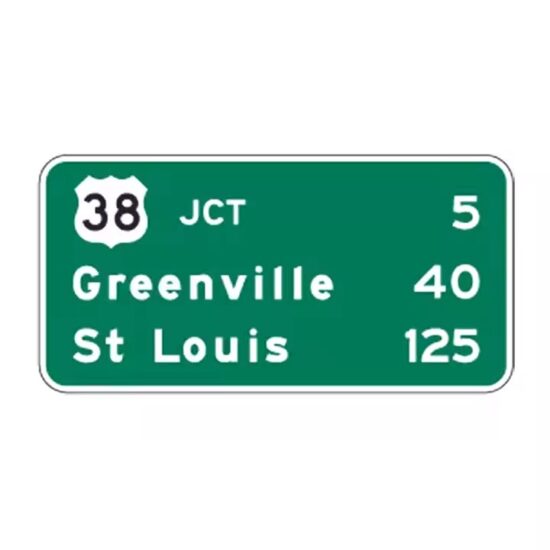
Guide signs are essential components of road signage systems, providing directional, distance, destination, and service-related information to drivers. Unlike warning or regulatory signs, which enforce rules or alert drivers to hazards, guide signs are designed to inform and assist with wayfinding—helping travelers reach their destinations smoothly and efficiently.
1. Definition of Guide Signs
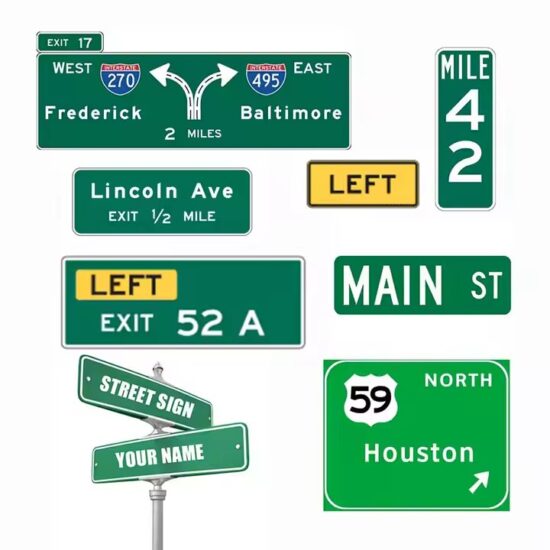
Guide signs are informational signs installed along roads and highways to assist drivers in navigating the roadway network. They typically use standardized symbols, colors, and text to communicate clear, quick-to-read messages such as:
-
Route numbers (e.g., Interstate or Highway)
-
Destination names and distances
-
Exit directions and lane usage
-
Services such as gas stations, hospitals, and rest areas
2. Types of Guide Signs
There are several main categories of guide signs, including:
✅ Destination Signs
Indicate direction and distance to towns, cities, or points of interest.
Example: “Los Angeles – 120 miles”
✅ Route Markers
Display highway or interstate numbers and identifiers, helping drivers stay on the correct route.
Example: “I-95 North”
✅ Exit and Interchange Signs
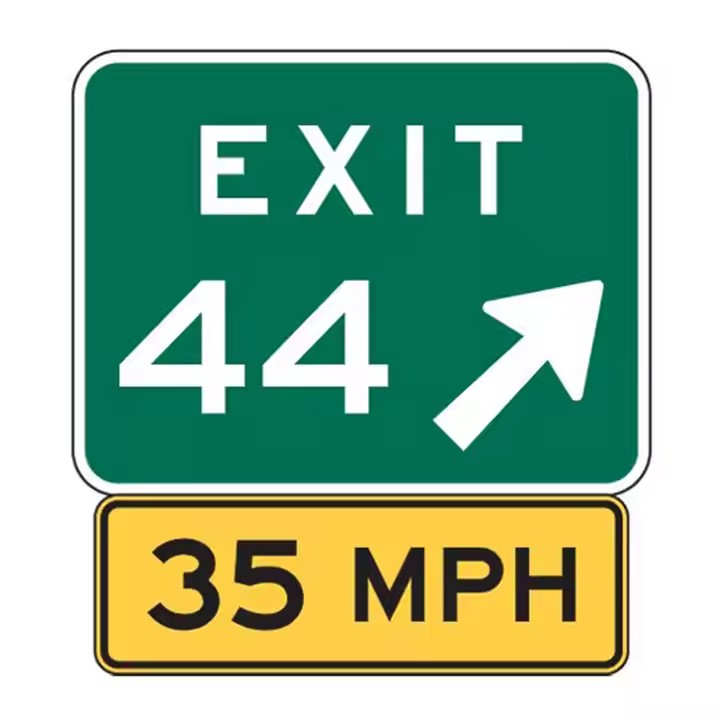
Provide advance notice of upcoming exits, lanes, and directional arrows.
Example: “Exit 42B – Downtown”
✅ Service Signs
Inform drivers about nearby amenities such as fuel, food, lodging, hospitals, and EV charging stations.
Example: “Next Exit – Gas, Food, Lodging”
✅ Recreational and Cultural Interest Signs
Direct to parks, museums, scenic byways, or historic landmarks.
Example: “State Park – 2 miles”
3. How Guide Signs Improve Navigation
Guide signs serve several critical functions in maintaining safe, efficient roadways:
-
Enhance Route Planning: Help drivers make timely decisions about turns, exits, and lane changes.
-
Reduce Confusion: Clear instructions minimize hesitation and last-minute maneuvers, which reduces accidents.
-
Improve Traffic Flow: By directing vehicles to correct lanes or exits, guide signs help manage congestion.
-
Support Tourism and Local Business: Signs directing to attractions or services stimulate economic activity.
4. Design and Color Standards
According to the MUTCD (Manual on Uniform Traffic Control Devices), guide signs typically use white text on a green background, ensuring high visibility and consistency across regions. Symbols may also be added for faster recognition and multilingual accessibility.
Conclusion
Guide signs are vital tools in modern transportation systems, offering real-time navigational support that helps drivers travel safely and efficiently. From route markers to destination indicators, these signs contribute to safer roads and a better driving experience.
Looking to design or order custom guide signs for your road project or property? Contact us to learn more about our durable, regulation-compliant guide sign solutions.