Monday to Saturday - 8:00 -17:30

What Are Metal Traffic Signs and Why Are They Widely Used?
Metal traffic signs are some of the most common and reliable tools used to regulate, warn, and guide road users. Known for their durability, high visibility, and weather resistance, these signs are critical components of modern transportation systems.
In this post, we’ll explore what metal traffic signs are, the materials they’re made from, and the reasons they are the preferred choice for public roads, private properties, parking lots, and construction zones.
1. What Are Metal Traffic Signs?
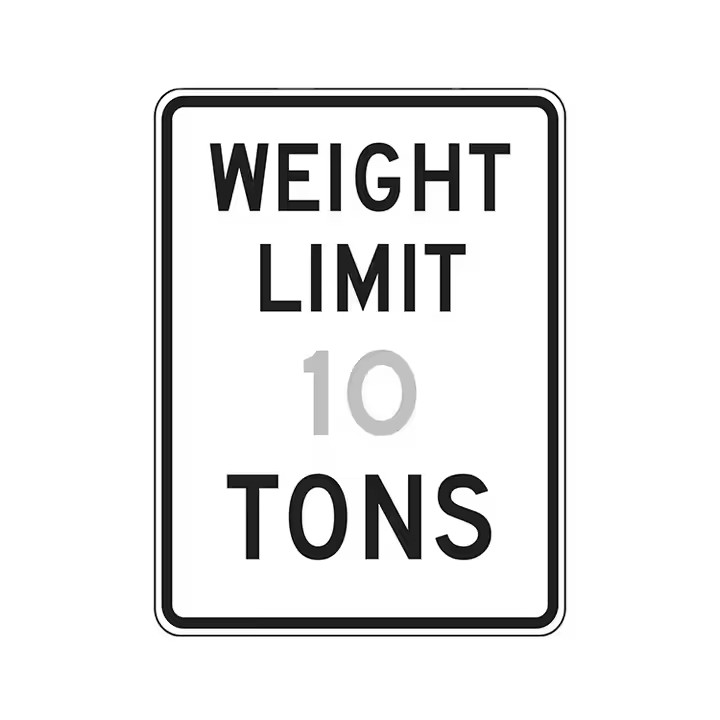
Metal traffic signs are signage panels made from strong, corrosion-resistant metals—primarily aluminum or galvanized steel—used to communicate essential road information such as:
-
Speed limits
-
Stop or yield instructions
-
Directional guidance
-
Construction warnings
-
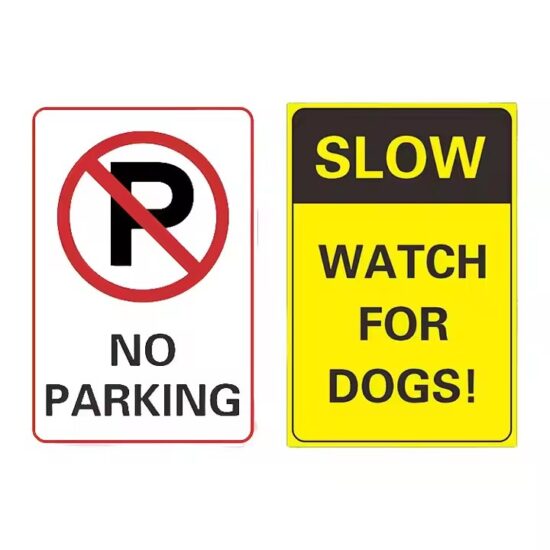
Parking regulations
They are typically coated with reflective sheeting for high visibility day and night.
2. Common Materials Used
✅ Aluminum (Most Popular)
-
Lightweight and rustproof
-
Easy to install and transport
-
Long-lasting even in coastal or humid environments
✅ Galvanized Steel
-
Stronger and heavier
-
Suitable for high-impact or vandal-prone areas
-
Often used in industrial or highway settings
✅ Composite Metals (less common)
-
Used for custom or lightweight applications
3. Key Benefits of Metal Traffic Signs
🔧 Durability
Metal signs withstand harsh weather, UV exposure, and physical impacts better than plastic or wood alternatives.
🌧 Weather Resistance
They maintain structural integrity in rain, snow, sunlight, and extreme temperatures—making them ideal for outdoor use.
💡 Reflective Visibility
When paired with high-grade reflective sheeting (e.g., engineer-grade or diamond-grade), metal signs offer excellent visibility, even in low-light or nighttime conditions.
💼 Cost Efficiency Over Time
While initial costs may be higher than plastic, the longer lifespan and reduced need for maintenance make metal signs more cost-effective in the long run.
4. Applications of Metal Traffic Signs
-
Public roads and highways (stop signs, speed limits, directional signs)
-
Private driveways and parking lots (reserved parking, tow-away zones)
-
Construction sites (temporary warning signs, detours)
-
Commercial zones or campuses (wayfinding and branding)
5. Customization Options
Metal signs can be fully customized in terms of:
-
Size and shape
-
Color and graphics
-
Reflective grade (e.g., engineer, HIP, diamond)
-
Mounting holes or brackets
Custom printing or UV-resistant coatings can be added for enhanced branding or special-purpose signs.
Conclusion
Metal traffic signs remain the gold standard in the signage industry due to their proven performance, reliability, and versatility. Whether for long-term regulatory use or temporary applications, they deliver unmatched safety, visibility, and durability.
If you’re sourcing custom or wholesale metal traffic signs, we offer fully customizable aluminum and steel options designed for real-world performance and compliance. Contact us today for expert consultation and competitive pricing.