Monday to Saturday - 8:00 -17:30

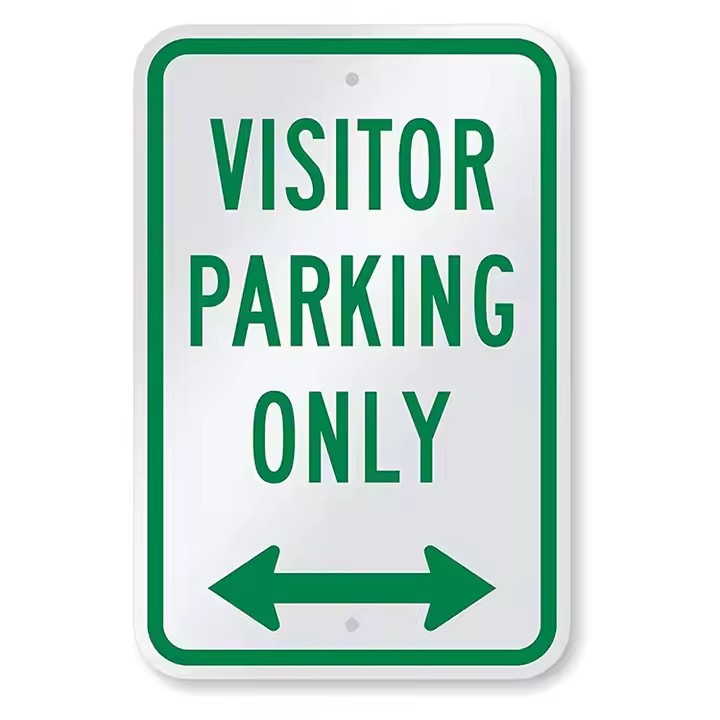
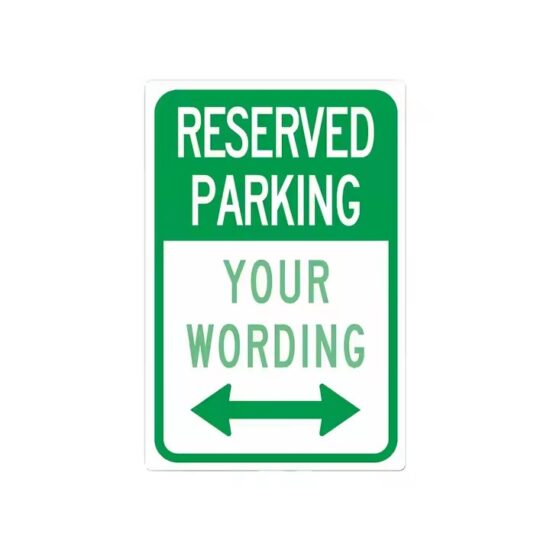
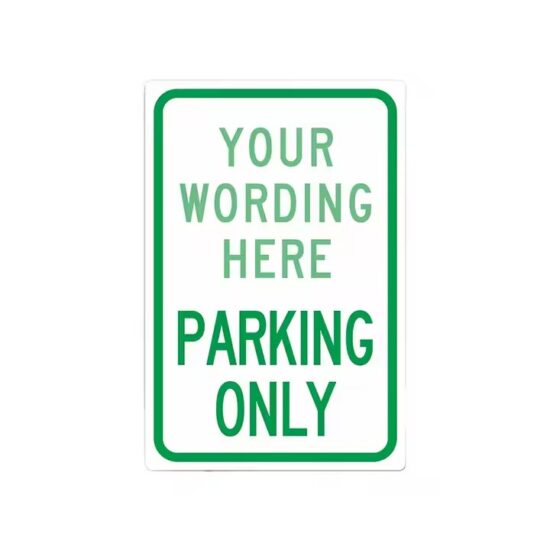
What Are Parking Signs and Why Are They Essential for Traffic Management?
Parking signs are regulatory traffic signs designed to inform drivers about where, when, and how they are allowed to park. These signs are an essential part of traffic management systems in both urban and private settings, helping to control vehicle flow, reduce congestion, and maintain safety.
In this article, we’ll explore the definition of parking signs, their common types, and why they play a critical role in modern traffic control.
1. What Are Parking Signs?
Parking signs are visual communication tools—typically made from reflective aluminum or metal materials—that instruct drivers about specific parking rules. These rules might include time limits, restrictions, permissions, or penalties.
They are typically installed in parking lots, along city streets, or near buildings and public spaces.
2. Common Types of Parking Signs
Parking signs vary depending on the situation and regulation. Some of the most common types include:
-
Permit Parking Only – For residents or employees with proper authorization
-
Time-Limited Parking – Allows parking only for a set duration (e.g., 2 Hours Max)
-
Paid Parking – Indicates payment is required via meter or app
-
No Parking / No Standing / No Stopping – Prohibits all vehicle stops or specific actions
-
Handicap Parking – Reserved for vehicles with valid disability permits
-
Loading Zone – Allows temporary parking for delivery or service vehicles
-
Tow-Away Zone – Warns that unauthorized vehicles will be removed at owner’s expense
3. Why Are Parking Signs Essential for Traffic Management?
✅ Organizing Vehicle Flow
Clear signage ensures that vehicles are parked in appropriate areas, reducing random stops and illegal parking that disrupt traffic lanes.
✅ Preventing Congestion
In urban areas with high vehicle density, proper parking management prevents bottlenecks, double parking, and overcrowding.
✅ Improving Safety
Parking signs protect pedestrian walkways, emergency exits, fire lanes, and school zones from being blocked by parked vehicles.
✅ Supporting Enforcement
Without clearly marked signs, law enforcement cannot fairly issue tickets or tow unauthorized vehicles. Parking signs provide legal clarity.
✅ Protecting Private Property
In commercial or residential areas, parking signs help control access and prevent unauthorized use of limited parking spaces.
4. Applications in Different Settings
-
City Streets: Control space allocation for residents, visitors, and businesses
-
Commercial Properties: Reserve spaces for customers, employees, or deliveries
-
Educational Institutions: Manage staff, student, and visitor parking
-
Hospitals and Emergency Facilities: Maintain clear access for ambulances and patients
-
Events and Temporary Setups: Provide flexible traffic and parking control for large crowds
5. Materials and Compliance
High-quality parking signs are typically made with:
-
Rust-proof aluminum
-
Reflective sheeting for night visibility
-
UV and weather-resistant coatings
-
Pre-drilled holes for easy mounting
They are often designed to meet MUTCD standards or local traffic regulations for public safety and enforcement consistency.
Conclusion
Parking signs are not just about restricting where cars can park—they are crucial tools for traffic regulation, safety enforcement, and urban organization. Whether used in cities, campuses, or private facilities, well-placed and properly designed parking signs ensure order and protect public interests.
Looking for durable, regulation-compliant parking signs? We offer a wide range of customizable solutions for municipalities, businesses, and private property managers.
Contact us today for wholesale pricing, custom designs, or expert advice.